Most California hot springs are open year-round, but seasonal closures, snow access, and reservation windows vary widely.
Most California hot springs stay open throughout the year, but weather, road conditions, seasonal closures, and reservation requirements can significantly affect access depending on where you're going.
One of the biggest misconceptions about California hot springs is that they're only a winter activity. In reality, many of the state's most popular hot spring resorts, mineral spas, and natural soaking areas are accessible year-round. Whether you're planning a summer road trip through the Eastern Sierra or a winter wellness getaway in wine country, there are hot springs available during every season.
That said, "open" doesn't always mean "easy to reach."
While resort-style hot springs typically operate 365 days a year, mountain roads, snowpack, forest closures, and changing weather conditions can make some natural and remote hot springs difficult—or even impossible—to access during parts of the year.
Before planning your trip, it's important to understand how California's different hot spring regions operate throughout the seasons.
The Short Answer
Most developed hot spring resorts in California are open year-round. However:
High-elevation hot springs may become inaccessible due to snow. Some resorts operate seasonally because roads close during winter. Natural hot springs are generally open year-round but access depends on weather and road conditions. State parks occasionally close pools for maintenance or repairs. Popular destinations often require reservations, especially during fall and winter.
The best time to visit depends on the type of hot spring experience you're looking for.
Hot Spring Resorts That Stay Open Year-Round
For travelers who want predictable access, developed resorts and commercial mineral spas are the safest choice. Most of California's well-known resort hot springs remain open every day of the year, regardless of season. In fact, many of these destinations experience their busiest periods during the cooler months when soaking outdoors feels especially enjoyable.
Calistoga Hot Springs
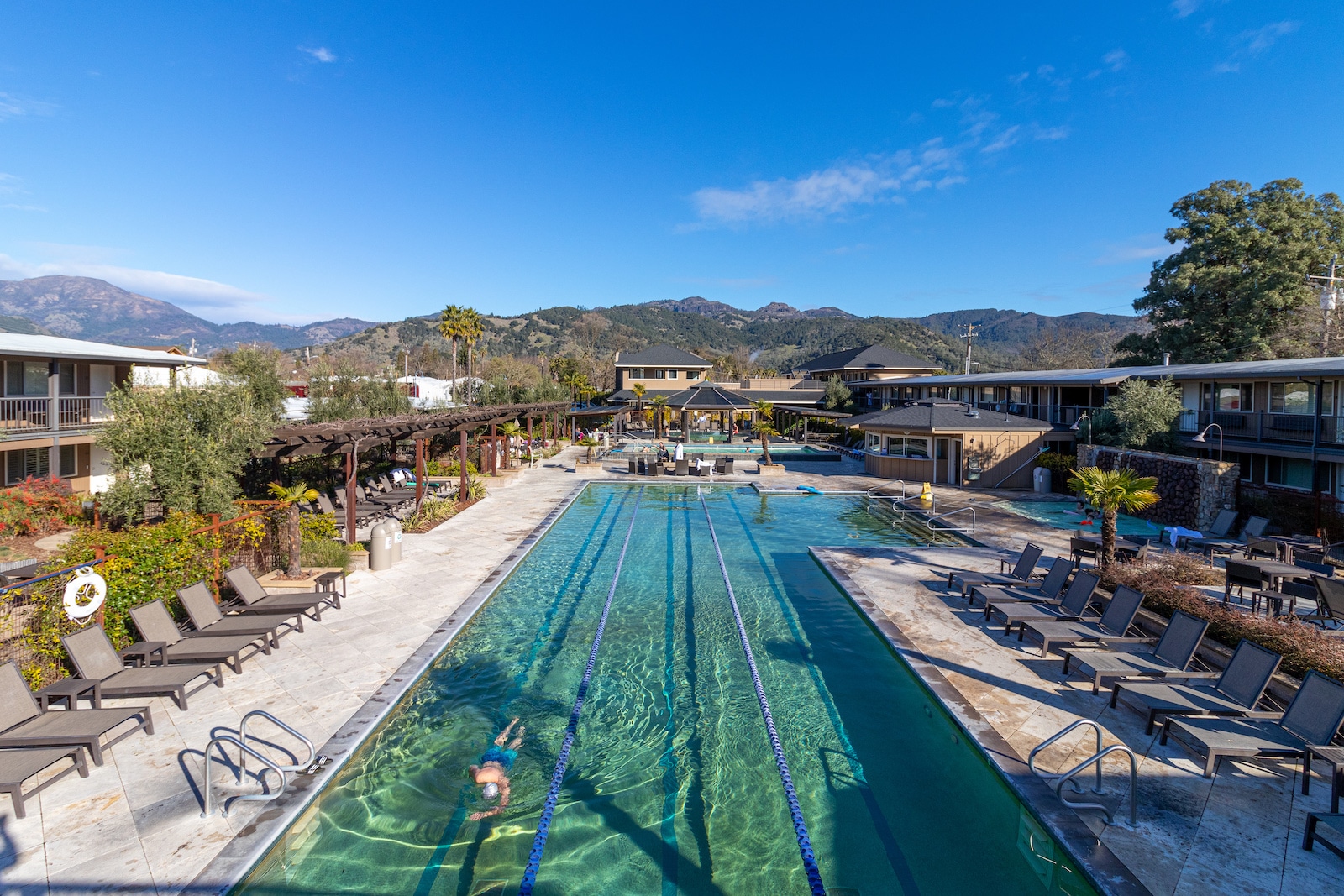
The Napa Valley town of Calistoga has been California's most famous hot spring destination for more than a century.
Properties such as Indian Springs Calistoga, Dr. Wilkinson's Backyard Resort & Mineral Springs, and Calistoga Spa Hot Springs remain open throughout the year.
Fall and winter are often considered the ideal seasons to visit. Cooler air temperatures make the geothermal pools more comfortable, and the surrounding wine country is particularly beautiful during harvest season and the holidays.
Because of increased demand, accommodations and day passes can sell out weeks in advance.
Winter Advantages: Cooler temperatures enhance soaking comfort, fewer daytime crowds than summer, beautiful wine country scenery, and ideal spa-weather conditions.
Desert Hot Springs
Located just north of Palm Springs, Desert Hot Springs is one of the few places in the United States where naturally heated mineral water emerges from a non-volcanic aquifer.
Resorts including Two Bunch Palms, The Spring Resort & Spa, Hope Springs Resort, and numerous boutique hotels operate year-round.
Winter is considered peak season because daytime temperatures are mild and evenings are perfect for outdoor soaking. Summer remains quieter and more affordable, though daytime desert temperatures can regularly exceed 100°F (38°C).
Best Seasons: October through April for ideal weather, summer for lower rates and smaller crowds, year-round access to mineral pools.
Glen Ivy Hot Springs
Located in Southern California near Corona, Glen Ivy Hot Springs welcomes visitors throughout the year.
The resort combines mineral soaking pools, mud treatments, spa services, and wellness experiences. Because of its proximity to Los Angeles, weekends often book quickly regardless of season.
Why It Stays Busy Year-Round: Convenient location, mild Southern California climate, extensive spa facilities, and day-trip accessibility.
Avila Hot Springs
Along California's Central Coast, Avila Hot Springs remains open throughout the year and benefits from one of the state's most moderate climates.
Unlike mountain or desert destinations, weather fluctuations here are relatively mild, making every season suitable for visiting. The nearby beaches, wineries, and coastal scenery make it a popular stop for road trippers traveling Highway 1.
Sonoma and Wine Country Resorts
Many geothermal spas throughout Sonoma County remain open year-round. Properties like the Fairmont Sonoma Mission Inn & Spa often experience increased demand during fall harvest season and throughout winter.
The combination of wine tasting, spa treatments, and mineral soaking makes Northern California wine country one of the most popular cold-weather wellness destinations in the state.
Seasonal Hot Springs and Mountain Resorts
While many resort properties stay open all year, some hot springs located in mountainous regions operate on a seasonal basis due to weather and road access.
Grover Hot Springs State Park
Located near Markleeville in Alpine County, Grover Hot Springs State Park offers developed mineral soaking pools surrounded by alpine scenery.
The park itself remains accessible much of the year, but pool operations occasionally pause for maintenance projects, infrastructure repairs, severe winter weather, and snow-related access issues.
Visitors should always check current operating status before traveling. Because conditions change regularly, assumptions based on previous visits can be misleading.
Mono Hot Springs Resort
Mono Hot Springs is one of California's most scenic mountain hot spring destinations, but it is not open year-round.
Located deep within the Sierra National Forest, the resort depends on Highway 168 and mountain roads that become inaccessible during winter.
Most years, operations run approximately from late spring through early fall, typically May through October. Heavy snowfall can shorten or extend the season depending on conditions.
Why It Closes: Snow-covered mountain roads, avalanche hazards, limited winter access, and a high-elevation location.
If you're planning a trip to Mono Hot Springs, summer and early fall are usually the safest options.
Are Natural Hot Springs Open Year-Round?
Technically, most natural hot springs never "close." The geothermal water continues flowing regardless of season. The real question is whether you can safely reach them. Access conditions vary dramatically throughout the year.
Wild Willy's Hot Spring
Wild Willy's Hot Spring near Mammoth Lakes is accessible throughout much of the year, but winter conditions can complicate travel.
Snow, mud, and storm damage frequently affect the dirt roads leading to the trailhead. Even when roads remain passable, visitors should expect changing conditions and reduced services.
The reward can be extraordinary: soaking in steaming mineral water while surrounded by snow-covered Sierra peaks.
Crab Cooker and Other Mammoth Area Springs
Crab Cooker, Hilltop Hot Springs, and many of the springs around Benton Crossing Road generally remain available year-round.
However, accessibility depends heavily on snowfall, road maintenance, seasonal flooding, and mud conditions.
Four-wheel drive vehicles are often helpful during winter and spring. Visitors should never assume roads are passable simply because a spring appears open on a map.
Deep Creek Hot Springs
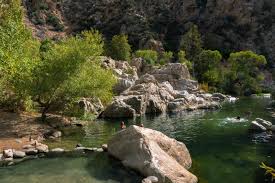
Deep Creek Hot Springs in the San Bernardino National Forest remains accessible year-round, but conditions can become dangerous during wet weather.
Heavy rainfall increases creek flows and can create hazardous trail conditions. Summer temperatures can also make the hike challenging. Many experienced visitors prefer fall, winter, and spring when temperatures are more comfortable.
Seasonal Concerns: Flash flood potential, creek crossings, heat exposure in summer, and trail erosion after storms.
Sespe Hot Springs
Sespe Hot Springs presents similar challenges. Although the spring itself flows year-round, access requires a long wilderness hike through Los Padres National Forest.
Winter storms can make trails difficult or unsafe, while summer heat can create its own risks. Backpackers should always check trail conditions and weather forecasts before attempting the trip.
Saline Valley Warm Springs
The springs of Saline Valley in Death Valley National Park remain available year-round, but access roads determine whether visitors can realistically reach them.
Road conditions can change dramatically following storms, and long stretches of remote desert travel require preparation. Many visitors consider fall, winter, and spring the best seasons because summer temperatures regularly exceed 110°F (43°C).
What Season Is Best for California Hot Springs?
The answer depends on the destination.
Fall
Many experienced travelers consider fall the best overall season. Advantages include comfortable temperatures, fewer crowds, stable weather, and beautiful mountain and wine country scenery.
Winter
Winter is the classic hot spring season. Few experiences compare to soaking in hot mineral water while surrounded by crisp air and mountain snow.
Winter is particularly popular in Calistoga, Desert Hot Springs, Sonoma County, and Mammoth Lakes. The tradeoff is increased demand and potential road closures in mountain regions.
Spring
Spring offers flowing creeks, green landscapes, and wildflowers. It's one of the most beautiful times to visit natural hot springs, particularly in the Eastern Sierra and Northern California. However, snowmelt can create muddy roads and seasonal flooding.
Summer
Summer is often overlooked, but it can be an excellent time to visit mountain hot springs. High-elevation destinations such as Mono Hot Springs and the Mammoth Lakes region become fully accessible. Desert hot springs remain open but can be uncomfortably hot during the day.
Reservation Tips for Popular Hot Springs
One of the biggest surprises for first-time visitors is how quickly hot spring reservations can disappear. Even though many facilities operate year-round, capacity limits often create shortages during peak periods.
Book Early If You're Visiting: Calistoga on weekends, Desert Hot Springs between October and April, wine country during harvest season, holiday weekends, and winter wellness retreats.
Popular resorts may sell out several weeks—or even months—in advance. Day-use passes can also disappear quickly, particularly during winter weekends.
Final Thoughts
Yes, most California hot springs are open year-round—but accessibility varies dramatically depending on the location.
Resort destinations such as Calistoga, Desert Hot Springs, Sonoma, Glen Ivy, and Avila Hot Springs welcome visitors throughout the year and often thrive during the cooler months. Meanwhile, mountain resorts like Mono Hot Springs operate seasonally, and natural hot springs depend heavily on weather, road conditions, and trail access.
Before planning a trip, always check current road reports, park alerts, forest service notices, and reservation availability. A little research goes a long way toward ensuring your hot spring adventure is relaxing rather than frustrating.
For most travelers, fall and winter provide the best overall soaking experience, but California's diverse geography means there's truly no bad time of year to enjoy the state's geothermal treasures.