Undeveloped natural hot springs across California, from the Eastern Sierra to Death Valley and the San Bernardino Mountains.
From remote desert pools in Death Valley to steaming springs beneath the peaks of the Eastern Sierra, California is home to some of the most spectacular natural hot springs in the United States.
California's reputation for hot springs often centers on luxury resorts and mineral spas, but some of the state's most memorable soaking experiences are found far from hotels, changing rooms, and developed facilities. Across volcanic landscapes, mountain valleys, deserts, and forests, naturally heated water emerges directly from the earth to form pools that have attracted travelers, hikers, and locals for generations.
Unlike commercial hot springs, natural hot springs remain largely undeveloped. There are no spa attendants, no reservations, and often no cell service. Reaching them may require driving rough roads, hiking several miles, or navigating remote backcountry terrain. The reward is a more authentic connection to California's geology and wilderness.
If you're looking for natural hot springs in California, most are concentrated in three major regions: the Eastern Sierra, Southern California's desert and mountain landscapes, and the remote forests of Northern California.
Here's where to find the best natural hot springs in California and what you should know before visiting.
What Makes a Hot Spring "Natural"?
A natural hot spring is a geothermal water source that emerges from the ground without significant development or commercial infrastructure.
While some natural springs have simple rock walls, wooden tubs, or small modifications made by visitors over the years, they generally lack the amenities associated with resorts or public bathhouses. Water flows directly from underground geothermal sources and mixes naturally with surrounding creeks, rivers, or pools.
Conditions can change dramatically depending on weather, snowpack, rainfall, and geothermal activity. A pool that is perfectly comfortable one season may become too hot, too cold, or even disappear temporarily the next.
Because these springs are part of the natural environment, visitors are expected to practice Leave No Trace principles and help preserve access for future generations.
Eastern Sierra Hot Springs
The Eastern Sierra is widely considered the premier natural hot spring destination in California.
Stretching from Mammoth Lakes north toward Bridgeport, the region sits atop active geothermal systems associated with the Long Valley Caldera, one of North America's largest volcanic features. Here, dozens of hot springs bubble up across open meadows with panoramic views of the Sierra Nevada.
For many travelers, this is the first place they think of when searching for natural hot springs in California.
Wild Willy's Hot Spring
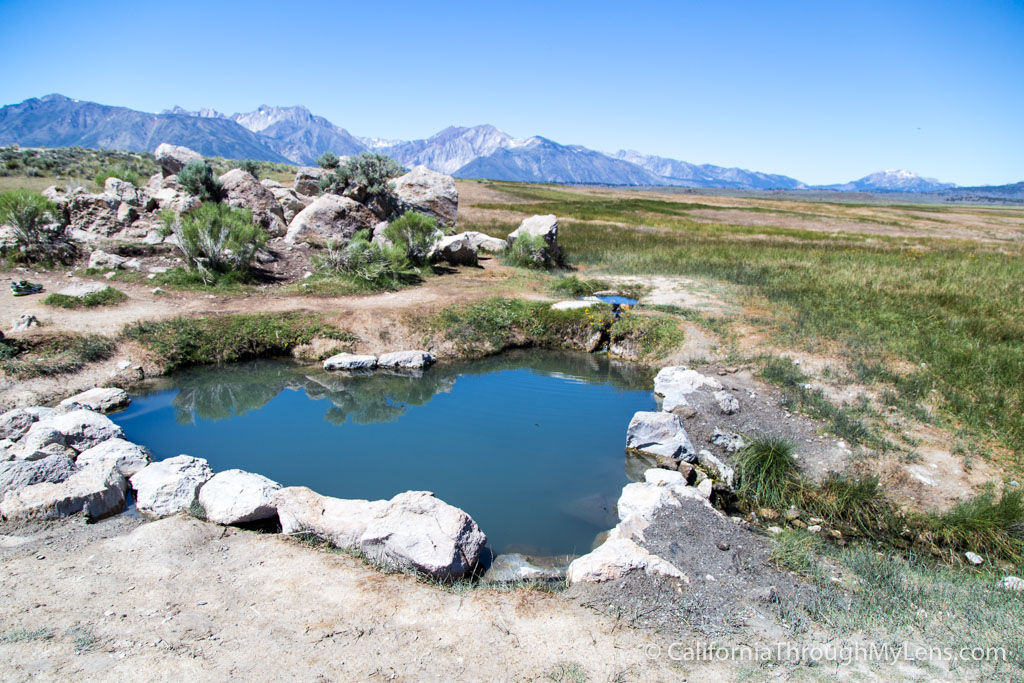
Wild Willy's is arguably California's most famous natural hot spring.
Located near Mammoth Lakes, the spring sits in a broad meadow surrounded by mountain views. Visitors typically access it via a dirt road off Benton Crossing Road, followed by a short walk along a boardwalk.
The main soaking pool is maintained by volunteers and local users, creating a comfortable soaking temperature throughout much of the year. Steam rising from the water against a backdrop of snow-covered peaks has made Wild Willy's one of the most photographed hot springs in the state.
Sunrise and sunset are particularly popular times to visit, when the surrounding landscape glows with changing colors.
Crab Cooker Hot Spring
Located a short distance from Wild Willy's, Crab Cooker offers a different experience.
Rather than a large communal pool, visitors will find smaller soaking areas fed by extremely hot geothermal water. The spring gets its unusual name from water temperatures that can become surprisingly intense near the source.
Visitors often adjust rock barriers to regulate water flow and create comfortable soaking temperatures. Because conditions change frequently, every visit can be slightly different.
Hilltop Hot Springs
Hilltop Hot Springs may offer the most iconic view of any natural hot spring in California.
A small man-made soaking tub sits atop a rise overlooking the Owens Valley and the Sierra Nevada mountain range. The contrast between steaming water and snow-covered peaks creates a scene that has become famous on social media and travel photography websites.
Because of its accessibility and spectacular scenery, Hilltop can become crowded, particularly on weekends. Visitors seeking solitude often arrive early in the morning or during weekdays.
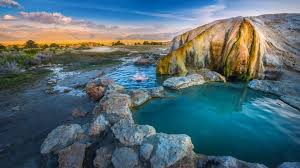
Travertine Hot Springs
Just outside Bridgeport, Travertine Hot Springs combines geothermal waters with one of California's most dramatic mountain backdrops.
The spring emerges through colorful mineral deposits that have formed terraced pools over centuries. The result is a collection of small soaking pools overlooking the rugged Sawtooth Ridge.
Travertine's location makes it one of the easiest natural hot springs to reach, requiring only a short drive from town and a brief walk. Its accessibility and scenery make it a favorite stop on Highway 395 road trips.
Southern California Natural Hot Springs
Although Southern California is better known for beaches and deserts, it also contains several remarkable natural hot springs hidden within mountain ranges and remote desert landscapes.
Deep Creek Hot Springs
Deep Creek Hot Springs is widely regarded as Southern California's most famous natural hot spring.
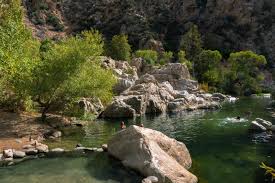
Located in the San Bernardino National Forest, the springs sit beside Deep Creek and feature several naturally heated pools of varying temperatures.
Reaching the springs requires effort. Most visitors hike approximately four miles each way from the Bowen Ranch Trailhead, although alternative routes exist.
The combination of geothermal pools, river access, and rugged canyon scenery creates a uniquely rewarding experience. The springs have developed a reputation for their relaxed atmosphere and beautiful setting, attracting everyone from day hikers to long-distance adventurers.
Saline Valley Warm Springs
For true remoteness, few destinations compare to Saline Valley Warm Springs.
Located deep within the northern reaches of Death Valley National Park, these springs require a lengthy journey over rough desert roads. High-clearance vehicles are strongly recommended, and weather conditions can quickly affect access.
Those who make the trip discover a collection of palm-lined soaking pools maintained by a community of volunteers. The contrast between lush vegetation and the surrounding desert landscape feels almost surreal.
Because of the remote location, visitors should be fully self-sufficient and prepared for changing conditions.
Northern California Natural Hot Springs
Northern California's forests and mountains contain some of the state's lesser-known geothermal treasures. Many require more effort to reach than their Eastern Sierra counterparts, but they reward visitors with solitude and beautiful wilderness scenery.
Buckeye Hot Springs
Despite being near Bridgeport, Buckeye Hot Springs deserves special mention because it feels dramatically different from nearby springs.
The hot water emerges from a hillside above Buckeye Creek and flows into soaking pools overlooking a rushing mountain stream.
One of the most distinctive aspects of Buckeye is the opportunity to alternate between hot geothermal water and cold creek water. The surrounding canyon creates a more intimate and rugged atmosphere than the open meadows around Mammoth Lakes.
Sespe Hot Springs
For backpackers, Sespe Hot Springs represents one of California's ultimate hot spring adventures.
Located deep within Los Padres National Forest, the springs are accessible only via a long hike through remote wilderness. Depending on the route chosen, reaching the springs often requires an overnight backpacking trip.
The geothermal source is among the hottest in California, and visitors frequently mix spring water with nearby creek water to achieve comfortable temperatures.
Because of the effort required, Sespe remains one of the least crowded and most rewarding natural hot spring destinations in the state.
Best Time to Visit California's Natural Hot Springs
Hot springs can be enjoyed throughout the year, but conditions vary significantly by region.
Winter
Winter offers some of the most memorable soaking experiences, particularly in the Eastern Sierra, where snow-covered mountains create dramatic scenery. However, snow can close access roads and make travel more difficult.
Spring
Spring often brings comfortable temperatures and flowing creeks. Wildflowers may bloom around many hot spring areas.
Summer
Mountain springs remain popular throughout summer, but desert locations can become dangerously hot during the day.
Fall
Many experienced visitors consider autumn the ideal season. Cooler temperatures, smaller crowds, and stable weather make soaking especially enjoyable.
Hot Spring Safety and Etiquette
Natural hot springs are beautiful but require personal responsibility. Before visiting, keep these guidelines in mind:
Check Current Conditions — Roads can wash out, become snow-covered, or close unexpectedly. Always verify access before leaving.
Test Water Temperatures — Temperatures vary significantly from pool to pool. Never assume water is safe simply because others are soaking nearby.
Pack Out Everything — Natural hot springs depend on responsible visitors. Leave no trash behind and respect the surrounding environment.
Respect Other Visitors — Many hot spring users seek relaxation and solitude. Keep noise levels low and be mindful of shared spaces.
Be Prepared — Bring drinking water, layers, food, navigation tools, and emergency supplies, especially when visiting remote springs.
Final Thoughts
California's natural hot springs offer experiences that range from easy roadside soaks to multi-day wilderness adventures. Whether you're watching sunrise from Hilltop Hot Springs, relaxing beneath the cliffs of Deep Creek, or navigating the remote roads of Death Valley to reach Saline Valley, these geothermal pools showcase a side of California that many travelers never see.
The Eastern Sierra remains the state's most concentrated and accessible hot spring region, but memorable natural springs can be found from Southern California deserts to the forests of the north. With proper preparation, respect for the environment, and a willingness to explore beyond the beaten path, California's natural hot springs provide some of the most rewarding outdoor experiences in the American West.