A complete packing guide for California hot springs — what to bring to resorts and natural springs, what to leave behind, and seasonal tips.
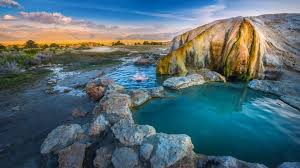
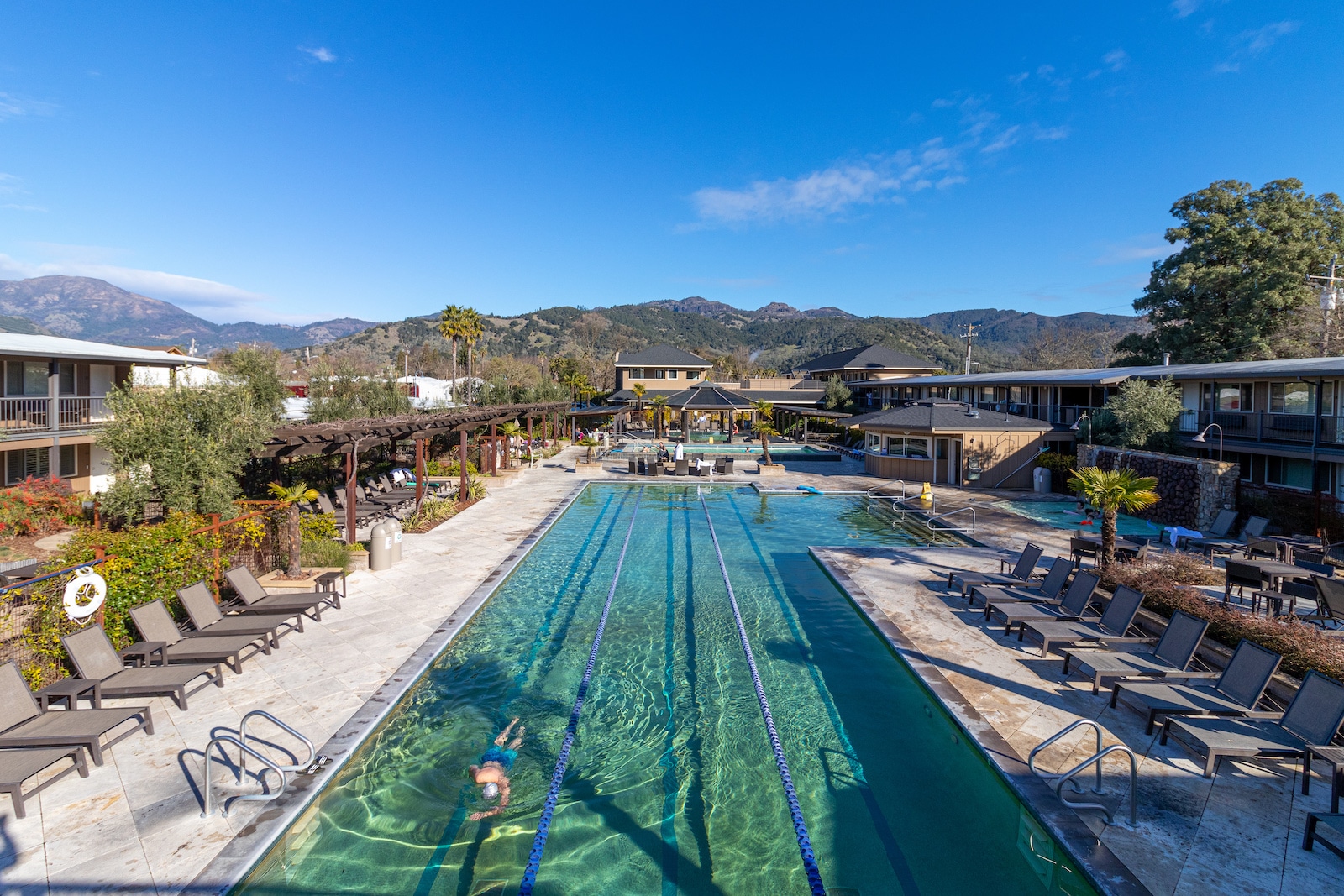
What you bring depends on the type of hot spring you're visiting. A developed resort has very different needs than a remote wilderness spring accessed by dirt roads or hiking trails. This guide covers exactly what to pack for both resort-style and natural hot springs, along with common mistakes to avoid.
Hot springs are one of California's best outdoor experiences, but they're also unique environments. You're combining hot water, changing weather conditions, wet clothing, potentially remote locations, and often long periods spent outdoors. That means your standard beach bag or hiking pack may not be enough.
Whether you're heading to a luxury mineral spa in Calistoga Spa Hot Springs or hiking miles into the backcountry for a natural soak, packing the right gear can make the difference between a relaxing experience and an uncomfortable one.
The Essential Hot Spring Packing List
No matter where you're soaking, a few items belong on every hot spring packing list.
Swimsuit
A swimsuit is the obvious starting point for most visitors. While some natural hot springs have clothing-optional traditions, many visitors still prefer to wear swimwear. For resort hot springs, swimsuits are almost always required. Choose something comfortable that won't become restrictive after long periods in warm water.
Towel
Even if you're visiting a developed resort that provides towels, bringing your own backup is a smart idea. Quick-dry microfiber towels are particularly useful because they dry rapidly, take up little space, weigh less than traditional towels, and stay comfortable during travel. For natural springs, a towel is essential because facilities are rarely available.
Reusable Water Bottle
Hot spring soaking can be surprisingly dehydrating. The combination of hot water, sun exposure, and elevated body temperature can cause fluid loss much faster than many visitors realize. Bring a refillable water bottle and drink regularly throughout your visit. Hydration is one of the simplest ways to improve your hot spring experience.
Sandals or Flip-Flops
Wet surfaces, gravel parking lots, wooden walkways, and rough terrain make footwear important. Simple sandals or flip-flops work well at resorts, while sturdier options may be necessary for natural springs. They protect feet from hot surfaces, prevent slips, keep dirt out of pools, and make transitions between pools more comfortable.
What to Bring to a Resort Hot Spring
If you're visiting a developed hot spring resort, most of the hard work has already been done for you. Resorts typically provide changing rooms, showers, lockers, and basic amenities. Your goal is simply to stay comfortable and enjoy the experience.
Waterproof Phone Pouch
Many visitors want photos of scenic pools, mountain views, or spa grounds. A waterproof phone pouch protects your device from accidental drops and splashes while still allowing you to take pictures. This is especially useful at outdoor mineral pools where phones often end up balancing precariously on rocks or pool edges.
Hair Tie or Hair Clip
Long hair can become surprisingly annoying during a long soak. A simple hair tie keeps hair out of your face and prevents it from repeatedly dipping into mineral water. Some mineral-rich waters can leave residue in hair, making a tie or clip especially useful.
Sunglasses
Many California hot springs are outdoors and exposed to direct sunlight. A comfortable pair of sunglasses can make daytime soaking much more enjoyable. This is particularly true in places like Desert Hot Springs, Palm Springs area resorts, Napa Valley, Sonoma County, and Central Coast hot springs.
Lightweight Cover-Up or Robe
Moving between pools, spa facilities, and relaxation areas is more comfortable when you have something easy to throw on. Many resorts provide robes, but bringing your own lightweight option can be convenient.
Book or E-Reader
Many hot spring resorts encourage slow, quiet relaxation. A book, e-reader, or journal can be the perfect companion during breaks between soaking sessions. Just be careful around water.
What to Bring to Natural Hot Springs
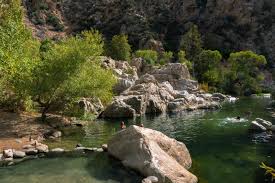
Natural and backcountry hot springs require considerably more preparation. Unlike resorts, these locations often lack drinking water, bathrooms, trash cans, lighting, cell service, and emergency assistance. Visitors must be self-sufficient.
Headlamp
One of the most overlooked hot spring items is a headlamp. Many visitors stay through sunset because hot springs become particularly beautiful in the evening. The return walk to the trailhead or parking area may happen in complete darkness. A headlamp keeps your hands free while navigating trails and uneven terrain. It's also useful for finding gear around the pool after dark.
Extra Drinking Water
A common mistake is underestimating hydration needs. As a general guideline, bring at least one liter of drinking water for every hour you expect to spend soaking and exploring. In desert environments or during summer, you may need considerably more. Popular locations where hydration is critical include Deep Creek Hot Springs, Saline Valley Warm Springs, the Tecopa area springs, and Eastern Sierra hot springs in summer.
Sturdy Water Shoes
Natural hot springs rarely have smooth pool bottoms. Expect sharp rocks, gravel, mud, uneven footing, and submerged obstacles. Water sandals or dedicated water shoes provide far more comfort and protection than basic flip-flops. They also make creek crossings much easier.
Layers for After the Soak
One of the coldest moments of any hot spring trip often comes after leaving the water. Even on mild days, wet skin combined with wind or falling temperatures can make you chilly surprisingly quickly. Pack a fleece or insulated layer, warm socks, a beanie in colder months, and a lightweight jacket. This is especially important in mountain regions where temperatures drop rapidly after sunset.
Small Trash Bag
Natural hot springs rely on visitors to keep them clean. A lightweight trash bag allows you to pack out your own waste, pick up litter left behind by others, and protect wet clothing during the drive home. Many experienced hot spring visitors consider this an essential item.
Camp Towel
Large beach towels become bulky and heavy on trails. Compact camping towels dry quickly and pack easily into daypacks. For hiking-access springs such as Deep Creek Hot Springs or Sespe Hot Springs, they are usually the better option.
Packable Robe or Cover-Up
A lightweight robe can feel surprisingly luxurious after a soak. It's particularly useful when walking back to the car, waiting for others, changing in cool weather, and visiting clothing-optional springs. Many experienced hot spring travelers consider this one of the most underrated items they carry.
What Not to Bring to a Hot Spring
Knowing what to leave behind is just as important as knowing what to pack.
Glass Containers
Glass is one of the biggest problems at popular hot springs. Broken glass can remain hidden underwater for years and creates serious hazards for barefoot visitors. Use reusable bottles, cans, or durable containers instead.
Soap and Shampoo
Natural hot springs are not bathtubs. Even biodegradable products can damage fragile ecosystems and contaminate water sources. Most hot spring areas prohibit shampoo, soap, body wash, detergents, and bubble bath products. If a shower is available, use designated facilities instead.
Bluetooth Speakers
One of the biggest complaints at natural hot springs is unwanted noise. Many visitors seek hot springs specifically for peace, quiet, and connection to nature. If you want music, use headphones. The sounds of flowing water, birds, wind, and conversation are part of the experience.
Excessive Alcohol
While a drink may seem like a natural companion to a soak, alcohol and hot water can increase dehydration and contribute to dizziness. Many resorts limit alcohol consumption in pool areas, and excessive drinking is a common source of problems at natural springs.
Single-Use Plastics
Plastic waste is unfortunately common at heavily visited hot springs. Reusable alternatives help reduce litter and protect these environments.
Drones
Many public lands prohibit drone use, and hot springs are often places where visitors expect privacy. Always check regulations before flying. In many locations, drones are either restricted or strongly discouraged.
Pets (Where Prohibited)
Some hot spring sites allow dogs, while others prohibit them. Always check local regulations and posted signage. Sensitive habitats, wildlife concerns, and visitor safety often influence pet restrictions.
Optional Gear That Makes a Difference
These items aren't essential, but experienced hot spring visitors often pack them.
Waterproof Watch
Hot water can make time pass surprisingly quickly. A waterproof watch helps track soak sessions and avoid overheating. Many experts recommend taking breaks after 15–30 minutes of continuous soaking.
Electrolyte Tablets
Electrolytes can help replace minerals lost through sweating and extended exposure to heat. They're particularly useful during summer visits, long soaking sessions, high-elevation adventures, and desert hot spring trips.
Dry Bag
A small dry bag protects your phone, wallet, keys, camera equipment, and spare clothing. It's especially useful around splash-prone natural springs.
Portable Camp Chair
If you're planning to spend several hours at a remote spring, a lightweight folding chair can be surprisingly valuable. Not every location has comfortable seating nearby.
Snacks
Hot spring visits often last longer than expected. Healthy snacks can keep energy levels up, especially after hiking to the spring. Good options include trail mix, fruit, energy bars, nuts, and jerky.
Seasonal Packing Considerations
Winter
Bring extra layers, gloves, a warm hat, waterproof footwear, and emergency supplies. Road conditions can change quickly at higher elevations.
Summer
Prioritize additional water, sunscreen, a sun hat, lightweight clothing, and electrolytes. Heat exposure becomes a larger concern than cold.
Spring and Fall
These seasons often require the most versatile packing strategy. Temperatures can swing dramatically between afternoon and evening, especially in mountain regions. Layering is usually the best approach.
Final Thoughts
The best hot spring packing list depends on where you're going, but the fundamentals remain the same: stay hydrated, protect yourself from the elements, and prepare for changing conditions. Resort visitors can travel relatively light, while those heading to natural or backcountry hot springs should plan for self-sufficiency and safety.
At minimum, bring a swimsuit, towel, water bottle, and appropriate footwear. For wilderness hot springs, add extra water, layers, a headlamp, and a commitment to Leave No Trace principles. A little preparation goes a long way toward making your soak more comfortable, safer, and far more enjoyable. After all, the goal is to spend your time relaxing in the water — not wishing you'd packed something important.